Imagine a Japan where Sanae Takaichi has just walked into the Kantei as prime minister with a single, almost technocratic promise: fix the economy. Stagnation, deflationary psychology, a shrinking workforce, and a nervous yen were supposed to be her battlefield. Instead, her first month has played out like a geopolitical detour, one that risks turning an economic mandate into a diplomatic liability.
Takaichi entered office branded as a nationalist reformer with sharp elbows and sharper rhetoric. Supporters expected bold fiscal moves, regulatory disruption, and a decisive break from the managerial drift of recent administrations. What they did not expect was how quickly China would become the defining issue of her opening chapter. Within weeks, carefully balanced ties with Beijing were strained by blunt statements, symbolic gestures, and an unmistakable tone of ideological confrontation.
Japan’s relationship with China has never been warm, but it has long been pragmatic. Trade, supply chains, tourism, and regional stability all demanded a careful dance. Takaichi chose instead to stomp. Her language on security, Taiwan, and “values diplomacy” may have thrilled domestic hardliners, yet it landed in Beijing as provocation rather than principle. The result was predictable: diplomatic frost, economic unease, and rising tension in a region that already has too many sparks and too much fuel.
What makes this turn especially puzzling is how little it helps her stated economic mission. Japan’s economy does not exist in a vacuum. China remains one of its largest trading partners, a critical market for exporters, and a central node in regional manufacturing. Alienating Beijing does not punish China nearly as much as it injects uncertainty into Japanese boardrooms already struggling with weak growth and demographic decline.
Rather than calming markets, Takaichi’s first month has rattled them. Investors dislike surprises, and geopolitical bravado is the worst kind. The yen does not strengthen on speeches about resolve, and wage growth does not materialize because a prime minister sounds tough abroad. Economic revival requires predictability, coordination, and confidence, none of which thrive amid diplomatic theatrics.
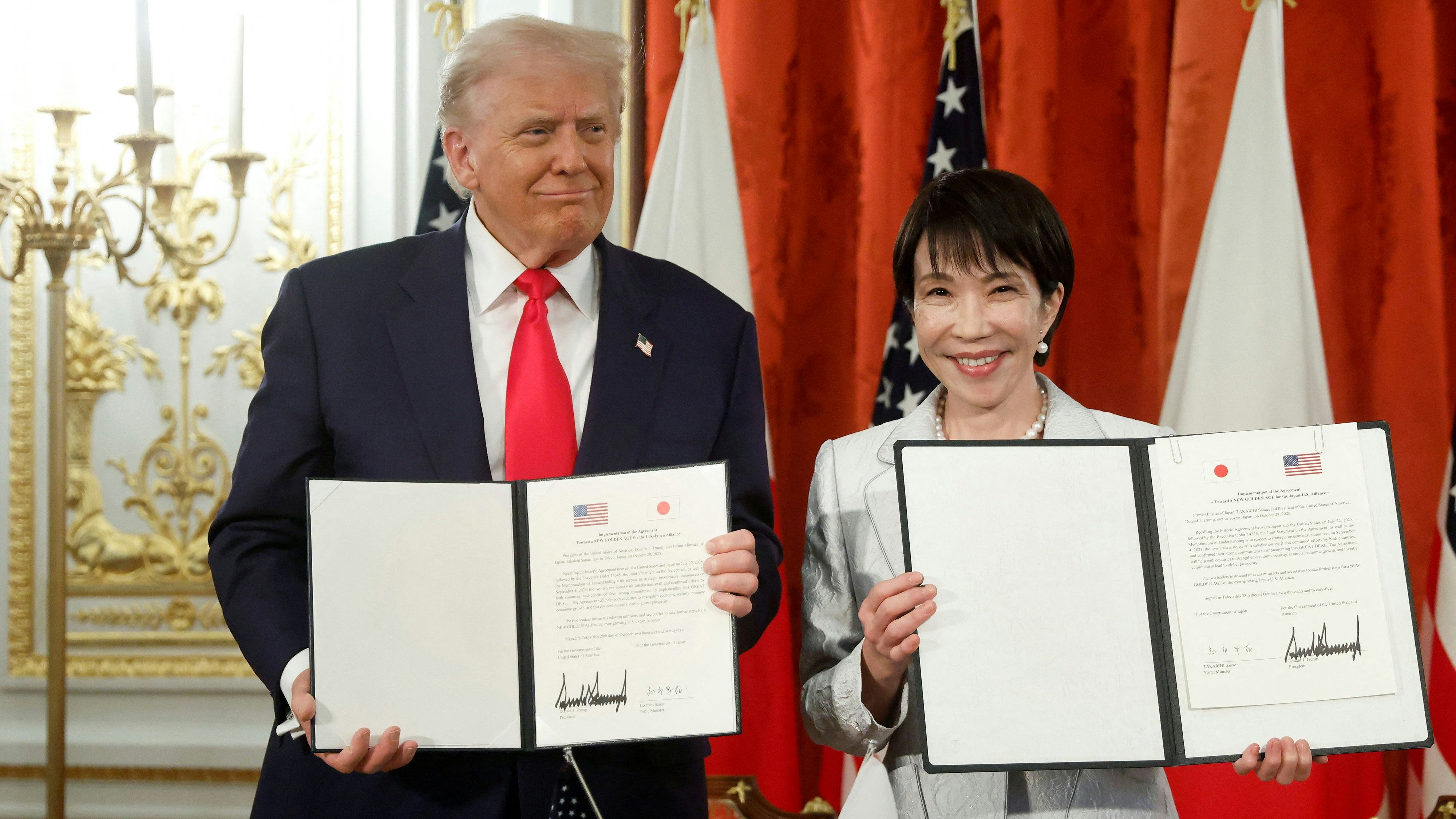
Adding to the unease is Takaichi’s apparent faith in Donald Trump’s shadow. Her posture suggests a belief that American backing, especially from a possible future Trump administration, will insulate Japan from the consequences of regional tension. This is a dangerous gamble. Trump’s support has always been transactional, personal, and volatile. Betting Japan’s strategic stability on the favor of an unpredictable ally is not realism; it is wishful thinking dressed up as strength.
The irony is that Japan does need a firmer strategic voice. The region is changing, and passivity is not a policy. But strength without strategy is noise. Takaichi’s early moves confuse volume with vision. By foregrounding confrontation, she has sidelined the quieter, harder work of economic reform: tax restructuring, labor market flexibility, immigration debates, and innovation policy. These issues do not generate headlines, but they determine futures.
Domestically, this misalignment carries political risk. Voters who tolerated nationalist rhetoric did so expecting economic dividends. If prices rise, wages stagnate, and exports suffer under the weight of diplomatic chill, patience will evaporate quickly. National pride is a poor substitute for household stability, especially in a country where economic anxiety runs deep.
A first month does not define a premiership, but it does set a tone. Takaichi’s tone so far suggests a leader more comfortable fighting symbolic battles than managing structural ones. Japan does not need a culture war with its neighbors; it needs growth, confidence, and relevance in a crowded, competitive Asia.
If the yen continues to wobble while flags are waved ever higher, the verdict will be harsh. History rarely rewards leaders who confuse confrontation for competence. Fixing the economy was the promise. So far, the politics have arrived early, and the economics are still nowhere in sight.
There is still time for recalibration, but time is not infinite. Japan’s challenges are structural, not theatrical, and they demand humility as much as resolve. A prime minister serious about reform must lower the temperature abroad to raise productivity at home. Otherwise, the administration risks becoming a case study in misplaced priorities, where noise replaces nuance and posture replaces policy. Economic renewal is unglamorous, slow, and often politically unrewarding, yet it is the only path that delivers lasting legitimacy. If Takaichi cannot pivot from symbolism to substance, her tenure will be remembered less for revival than for distraction, a moment when Japan looked outward for enemies while its real problems quietly deepened within. History, voters, and markets tend not to forgive misjudgments.


No comments:
Post a Comment