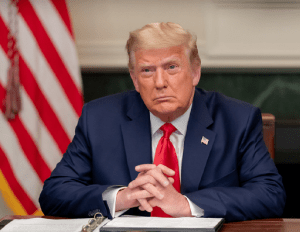
The temptation to turn every geopolitical disagreement into a test of strength has become one of Washington’s most enduring habits. Yet if there is one lesson the United States should have absorbed from the turbulence of recent years, it is that military confrontation is often far easier to begin than to finish. That is why any effort by President Donald Trump to escalate tensions with Cuba would be a serious mistake. At a moment when Americans are exhausted by conflict abroad and increasingly skeptical of foreign adventures, the last thing the country needs is another dangerous standoff, especially one unfolding just 90 miles from Florida.
For decades, Cuba has occupied a unique place in the American political imagination. It is close enough to feel threatening, familiar enough to become a recurring political symbol, and controversial enough to generate applause on campaign stages. Yet governing requires something more substantial than symbolism. It requires recognizing strategic reality.
The reality is that the United States gains little from provoking Cuba and risks far more than many policymakers are willing to admit. America is emerging from a period of international instability that has tested both its military capabilities and public patience. Whether one views recent confrontations with Iran as victories, defeats, or something in between, the broader picture is clear: Americans are weary of endless tensions that consume resources without delivering lasting security. The public mood is not one of enthusiasm for another showdown. It is one of fatigue.
Opening a new front of hostility in the Caribbean would not strengthen America’s position. It would merely create another source of uncertainty at a time when the nation already faces pressing challenges at home. Inflation, border management, infrastructure, housing costs, and economic competitiveness demand attention. Voters are asking practical questions about their daily lives. Few are demanding a fresh confrontation with Havana.
There is also a strategic argument for restraint. Geography matters. Conflicts occurring thousands of miles away are difficult enough to manage. Conflicts unfolding near American shores carry an entirely different level of risk. Even limited escalation could trigger migration pressures, economic disruptions, diplomatic crises, and heightened regional instability. Such outcomes would affect not only foreign policy but domestic politics as well.
None of this requires naïveté about the Cuban government. Disagreements over human rights, political freedoms, and governance remain real and significant. But diplomacy is not an endorsement. Engagement is not surrender. Negotiation is not weakness. In fact, the strongest nations are often the ones confident enough to talk to their adversaries rather than constantly searching for opportunities to threaten them.
History offers countless examples of leaders who confused toughness with effectiveness. The two are not always the same. Effective statecraft involves reducing dangers, not multiplying them. It means creating channels of communication before crises emerge rather than scrambling for solutions after tensions spiral out of control.
President Trump frequently presents himself as a dealmaker. If that image is to mean anything, Cuba represents an obvious test. The challenge is not finding new ways to provoke an old adversary. The challenge is finding practical ways to manage a difficult relationship while avoiding unnecessary conflict.
America does not need another war. It certainly does not need one in its own neighborhood. What it needs is a foreign policy guided less by confrontation and more by calculation. In the case of Cuba, the wiser path is not escalation. It is engagement, patience, and a determination to keep a manageable problem from becoming a needless crisis.



No comments:
Post a Comment