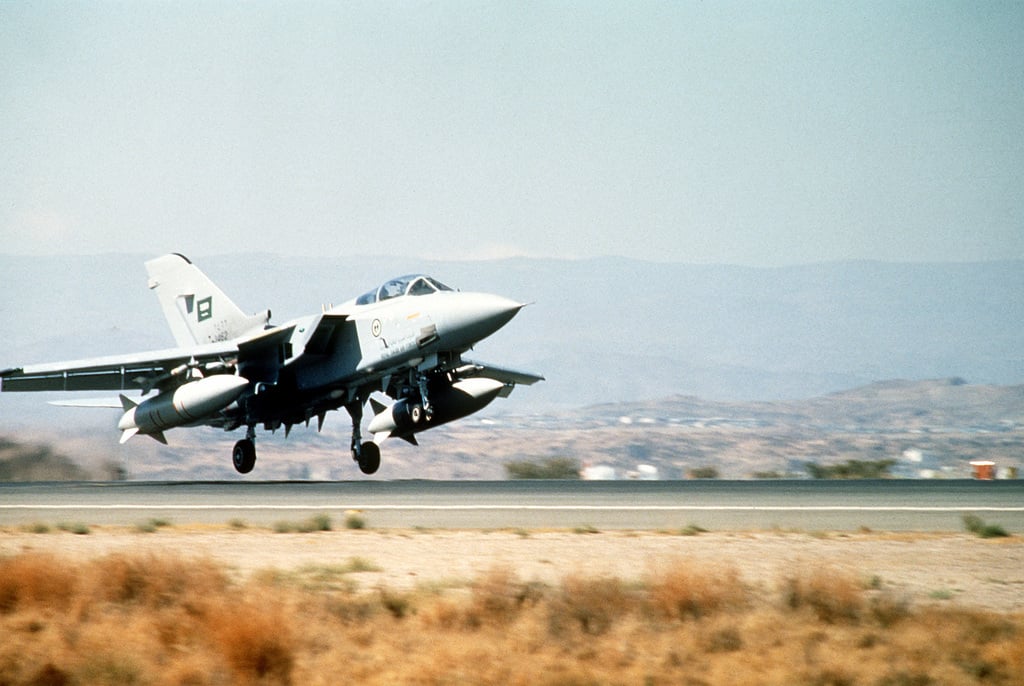
If reports that Saudi Arabia and the United Arab Emirates secretly participated in attacks against Iran are accurate, they mark more than another episode in the Middle East’s endless cycle of confrontation. They signal a profound shift in the political identity of two states that have long prided themselves on balancing ambition with caution. The question is not whether Iran deserves criticism for its regional conduct. The question is whether Gulf governments are abandoning the strategic restraint that once defined their foreign policy.
For decades, Saudi Arabia and the UAE understood a simple reality. Geography is permanent. Iran is not a distant rival that can be ignored or isolated. It is a neighbor, a competitor, and at times an adversary. Yet even during periods of intense tension, Gulf leaders generally sought to avoid direct military entanglement. They preferred economic leverage, diplomatic maneuvering, and carefully managed pressure over actions that could ignite a broader regional war.
That calculation appears to be changing. The war has exposed an uncomfortable truth for many American partners in the region. The United States remains powerful, but its security guarantees are no longer viewed as absolute. Washington’s willingness to intervene decisively has become less predictable, regardless of which party controls the White House. Faced with that uncertainty, regional governments have increasingly sought new ways to shape events rather than simply react to them.
But there is a difference between pursuing strategic autonomy and tying oneself to the political instincts of a particular American administration. Donald Trump’s foreign policy approach has always favored confrontation over caution. Allies are often encouraged to take bolder positions against common adversaries. The danger is that countries with their own complex regional interests begin viewing every challenge through Washington’s lens rather than their own. In doing so, they risk becoming participants in conflicts that may serve short-term tactical goals while undermining long-term national interests.
Saudi Arabia and the UAE spent years cultivating images as pragmatic powers focused on economic modernization, investment, and stability. They marketed themselves as hubs of commerce and innovation rather than permanent actors on the battlefield. Those ambitions require predictability. Investors do not flock to regions drifting toward open conflict. Global businesses do not make long-term commitments based on military escalation.
A secret role in attacks against Iran would therefore represent more than a military decision. It would be a political statement. It would suggest that deterrence is now being pursued through direct action rather than strategic distance. That is a risky wager in a region where retaliation rarely remains limited and where unintended consequences have a habit of becoming permanent realities.
Perhaps the most striking aspect of this moment is how quickly traditional assumptions appear to be eroding. Countries once associated with cautious neutrality are increasingly willing to choose sides. The space between diplomacy and confrontation is shrinking. That may satisfy those who believe strength is measured by aggression, but history offers a different lesson. The Middle East has never suffered from a shortage of military ventures. It has suffered from a shortage of political patience.
If Gulf leaders are indeed moving closer to Washington’s most confrontational instincts, they should remember that great powers can change direction with elections. Geography cannot. Long after American administrations come and go, Saudi Arabia, the UAE and Iran will remain neighbors. That reality, more than any temporary alliance, should guide their decisions.


No comments:
Post a Comment