After nearly four months of fighting, the United States finds itself declaring success in a war that appears to have delivered remarkably little of what it set out to achieve. Washington may point to destroyed targets, military sorties and diplomatic agreements as evidence of victory. Yet when measured against strategic outcomes rather than battlefield headlines, the campaign against Iran increasingly resembles an expensive exercise in self-deception.
The figures alone are sobering. Thirteen American personnel have lost their lives. Roughly 3,500 Iranians have been killed. At least $29bn has been spent. Such costs might be justified if they had fundamentally weakened the Islamic Republic’s ability to threaten its neighbors, sponsor militant groups or pursue nuclear ambitions. Instead, the evidence suggests otherwise.
Iran’s stockpile of enriched uranium has not disappeared. By most accounts, it remains buried beneath rubble in hardened tunnel complexes, inaccessible but far from eliminated. The distinction matters. A nuclear program delayed is not a nuclear program dismantled. Washington’s objective was never merely to create debris; it was to remove a strategic threat. On that measure, success remains elusive.
Nor has Iran’s military capacity been broken. Despite sustained attacks, Tehran retains a substantial missile and drone arsenal. The war demonstrated vulnerabilities, certainly, but it also highlighted resilience. The Islamic Republic absorbed punishment that many expected would cripple its armed forces. Instead, it continues to possess the tools necessary to project power across the region and threaten adversaries far beyond its borders.
Equally striking is what has not changed among Iran’s network of proxies and allied militant groups. The organizations that form the backbone of Tehran’s regional influence remain largely intact. Years of American policy have rested on the assumption that weakening Iran would weaken these groups. Yet the war has not delivered that outcome. The infrastructure of influence that stretches from Lebanon to Iraq and beyond survives.
Perhaps most damagingly for Washington, the conflict may have enhanced Iran’s strategic standing rather than diminished it. The regime has demonstrated an ability to withstand a massive American military assault and remain in power. In authoritarian systems, survival itself often becomes a form of victory. Tehran can now present endurance as proof that it successfully resisted the world’s most powerful military.
The economic dimension is equally troubling. By disrupting shipping through the Strait of Hormuz, Iran reminded the world of its capacity to hold global markets hostage. Energy prices trembled. Governments scrambled. Investors watched nervously. The episode reinforced a reality that military action was supposed to reduce: Iran remains capable of exerting enormous leverage over the international economy.
The diplomatic consequences may prove even more enduring. The conflict exposed disagreements between Washington and Jerusalem that had previously been contained behind closed doors. Strategic unity gave way to visible friction. Allies who entered the crisis expecting coordination instead witnessed growing divergence. Such fractures are not easily repaired.
Then there is the agreement that emerged from the fighting. If reports of its contents are accurate, it compares unfavorably with the nuclear deal negotiated during Barack Obama’s presidency. Tehran appears positioned to benefit from sanctions relief and access to billions of dollars in previously frozen assets. A war supposedly intended to force concessions may ultimately provide financial rewards.
This leaves an uncomfortable question. What exactly has America gained? It has spent vast sums, sacrificed lives and destabilized a crucial region. Yet Iran’s nuclear potential persists, its military remains dangerous, its proxies survive and its leadership stands defiant. Meanwhile, Tehran may soon enjoy economic benefits that strengthen rather than weaken the regime.
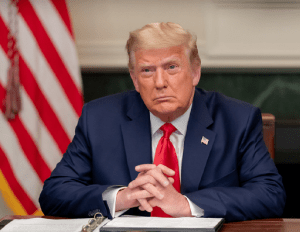
President Trump insists that history will record a triumph. History, however, tends to judge wars by results rather than rhetoric. If strategic objectives are the benchmark, America has not secured a decisive victory. It has merely paid a very high price to discover the limits of military power.


No comments:
Post a Comment