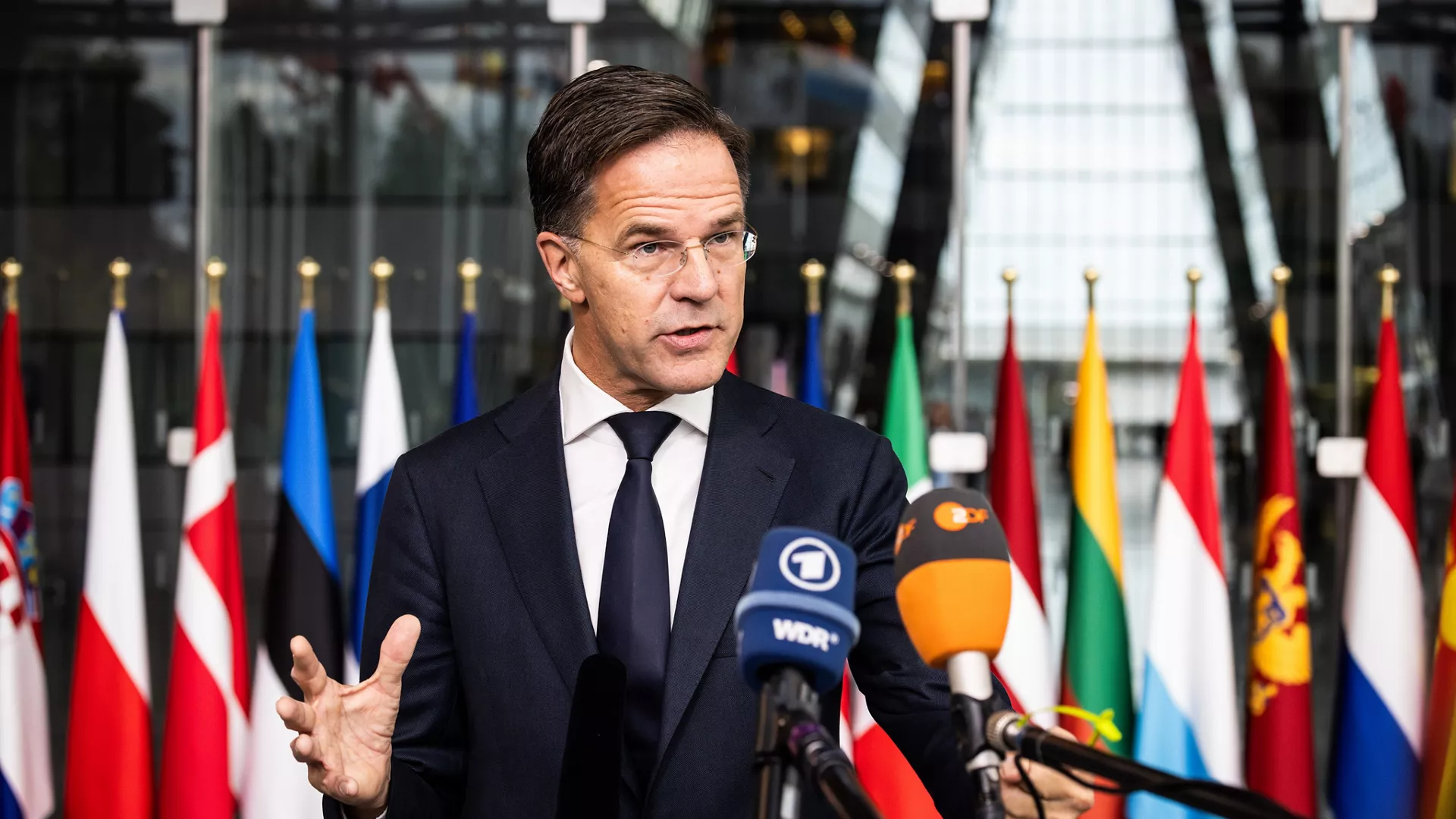
Secretary General Mark Rutte was not appointed to flatter strongmen or to audition for a role in anyone’s campaign theater. He was put there to do the unglamorous, grinding work of balance: to keep quarrelsome allies at the same table, to translate clashing national anxieties into shared strategy and to remind powerful presidents that alliances are not stage props for personal mythmaking. NATO does not need a hype man. It needs an adult.
Rutte comes from a political culture that prizes coalition over coronation. Dutch politics is built on compromise hammered out in small rooms, not on messianic speeches delivered to roaring crowds. That instinct matters now more than ever, when the temptation to reduce geopolitics to personality cults is strong and profitable. The Secretary General’s job is not to echo fantasies about resurrected empires or civilizational crusades but to dilute such fantasies before they curdle into policy.
Donald Trump’s approach to the world has always been operatic: villains, heroes, betrayal, dominance, and the promise of historical conquest framed as “winning.” It is emotionally efficient and intellectually thin. Empires, in this worldview, are real estate deals with flags. Treaties are invoices. Allies are either freeloaders or extras. Reality however is slower and far more stubborn. It is made of supply chains, domestic politics, treaties written in dull legal language, and publics that panic when coffins come home.
Rutte’s task is to stand in the middle of that messy reality and insist that power is not a solo performance. NATO is a pact of equals in theory and of nervous, unequal democracies in practice. Some are large, some are small, some rich, some fragile, but none are ornamental. The alliance survives precisely because no single leader, however loud, is allowed to turn it into a personal empire-building franchise.
There is a certain drama-loving segment of global politics that expects international officials to pick sides like fans in a stadium. Boo this leader, cheer that one, repeat the slogans, amplify the spectacle. That is not leadership; it is surrender to noise. Rutte’s credibility depends on his refusal to become a ventriloquist’s doll for any capital, including Washington. Especially Washington, when Washington flirts with dangerous simplifications.
Trump’s rhetoric about borders, conquest, and domination is not merely crude; it is strategically corrosive. It invites adversaries to test red lines, reassures autocrats that democracy is just another costume, and unsettles smaller allies who depend on predictability more than bravado. When such rhetoric comes from the White House, the Secretary General’s responsibility is not loyalty to the speaker but loyalty to the structure that prevents the world from sliding into competitive paranoia.
That structure is boring by design. It is committees, procedures, coordination, and endless statements that sound like they were written by cautious lawyers. Boring keeps soldiers alive. Boring keeps miscalculations from becoming funerals. Boring is the thin wall between rivalry and catastrophe. Anyone who tries to turn NATO into a gladiator arena for personal grudges misunderstands its purpose or deliberately cheapens it.
Rutte is not required to be charismatic in the Trumpian sense. He is required to be stubborn, predictable, and mildly allergic to spectacle. His success should be measured not by how often he trends on social media, but by how rarely allied capitals panic at three in the morning. His loyalty should be to the idea that security is shared or it is fiction.
The uncomfortable truth for empire dreamers is that the twentieth century already demonstrated how those dreams end, in ruins, tribunals, and textbooks written by survivors. The twenty-first century does not need a sequel with better cameras and worse judgment. It needs custodians of restraint.
If Rutte ever forgets that, he will have failed his office. If he remembers it, he will disappoint those who crave drama but reassure millions who simply want to live without the constant background hum of impending war. That is not weakness. It is civilization’s quiet maintenance work, the kind that rarely earns applause but keeps the lights on.
A Secretary General should be a referee, not an echo. The whistle matters more than the roar.
History will not grade him on how gracefully he smiled beside presidents, but on whether the alliance remained functional when egos swelled and facts were bent. Neutrality between democracies is not cowardice; it is architecture. Without that architecture, speeches become weapons and tweets become strategy. No institution designed to prevent war should ever be run like a reality show finale. The stakes are permanent.


No comments:
Post a Comment