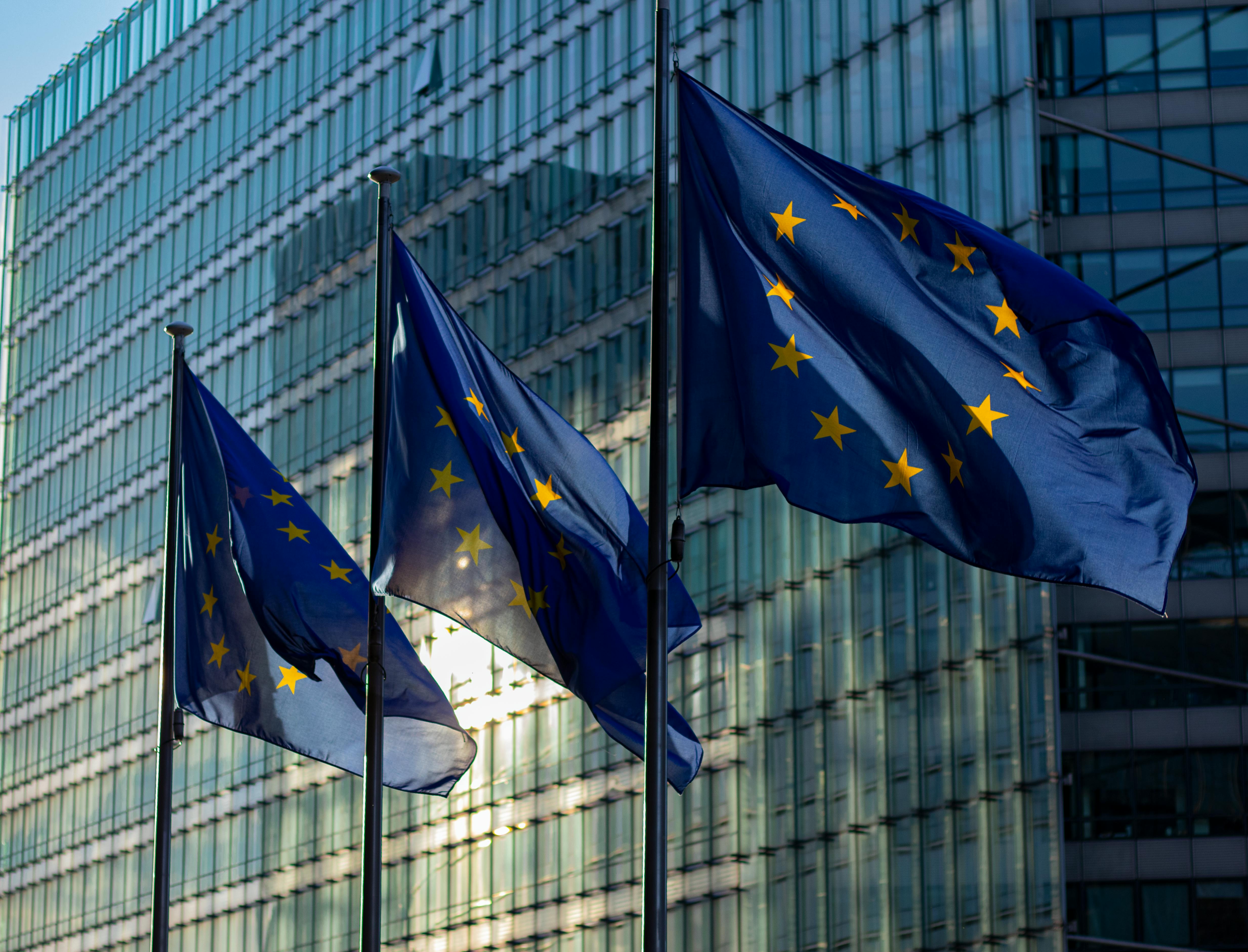
The European Union’s latest decision to pile another one hundred and six billion dollars of borrowed money onto Ukraine is not just a financial manoeuvre. It is a political statement, an economic gamble and a moral wager taken on behalf of millions of European citizens who were never meaningfully asked for their consent. This loan, sourced from private banks and layered on top of already staggering commitments, exposes a troubling truth, Europe is rapidly normalizing debt driven geopolitics while quietly hollowing out its own social foundations.
For years, EU leaders have spoken of solidarity, resilience, and shared sacrifice. Yet the sacrifices are becoming increasingly one sided. Health systems stretched beyond capacity, underfunded schools, aging infrastructure, and pensions constantly “reformed” downward are not abstract concerns. They are daily realities for citizens across the bloc. When governments claim there is no money for nurses, teachers, or dignified retirement, and then effortlessly unlock hundreds of billions for war related financing, something fundamental has gone wrong.
Borrowing itself is not inherently reckless. States borrow to invest, to stabilize, to protect their people during crises. But this borrowing spree is not primarily about protecting Europeans. It is about projecting power, signalling resolve, and maintaining geopolitical credibility at any cost. The cost, however, is not theoretical. It is paid through higher interest burdens, future austerity, inflationary pressures, and reduced fiscal space for decades to come.
What makes this moment particularly alarming is the growing role of private banks. By relying on them, the EU locks itself into market logic that prioritizes returns over social outcomes. Interest payments will not disappear; they will be serviced by taxpayers. When the next budget squeeze arrives, as it inevitably will, it will not be defence spending that is trimmed. It will be social programs, public investment, and support for the most vulnerable.
Member states are already feeling the strain. National governments are told to increase defence budgets, modernize armies, and stockpile weapons, often under tight fiscal rules that leave little room for anything else. Hospitals are merged or closed. Classrooms grow more crowded. Retirement ages creep upward while benefits stagnate. Economic growth remains fragile, yet leaders insist that this path is unavoidable, even virtuous.
There is also a deeper democratic deficit at play. Decisions of this magnitude are framed as technical necessities rather than political choices. Debate is discouraged, dissent labelled irresponsible or disloyal. Citizens are expected to accept that war financing is urgent and unquestionable, while social spending must always justify itself, line by line. This inversion of priorities reveals how far policymaking has drifted from everyday lived experience.
Support for Ukraine does not require blank checks or permanent militarization. It certainly does not require sacrificing the social contract that made Europe relatively stable and prosperous in the first place. True solidarity should include diplomatic creativity, accountability, and limits. Instead, we are witnessing an escalation of financial commitments that seem designed to continue indefinitely, regardless of outcomes.
History offers sobering lessons. Societies that overinvest in conflict while neglecting internal cohesion eventually pay a heavy price. Debt accumulates silently, then suddenly. Trust erodes. Extremism finds fertile ground among citizens who feel abandoned. When pensions fail, hospitals crumble, and young people see no future, no amount of military hardware can restore legitimacy.
Europe faces real security challenges, but security is not only measured in tanks and missiles. It is measured in healthy populations, educated citizens, functioning economies, and confidence in democratic institutions. By prioritizing borrowed billions for war over sustainable investment at home, EU leaders risk undermining the very resilience they claim to defend.
This loan is not just about Ukraine. It is about what kind of Europe is being built in the process. A Europe of permanent debt, permanent emergency, and permanent sacrifice for the many, or a Europe that remembers its obligations to its own people. The answer is being written now, not in speeches, but in balance sheets, budget cuts, and the quiet normalization of social decline. Citizens deserve honesty. They deserve leaders who admit that every euro borrowed for conflict is a euro not spent elsewhere. They deserve open debate about alternatives, timelines, and limits. Without that honesty, the EU risks trading its social foundations for a mirage of strength. Power built on debt and deprivation is not strength at all. It is fragility postponed, a bill deferred to future generations who will wonder why their welfare was negotiable, but war spending was sacred. And they will remember who signed the papers today.


No comments:
Post a Comment