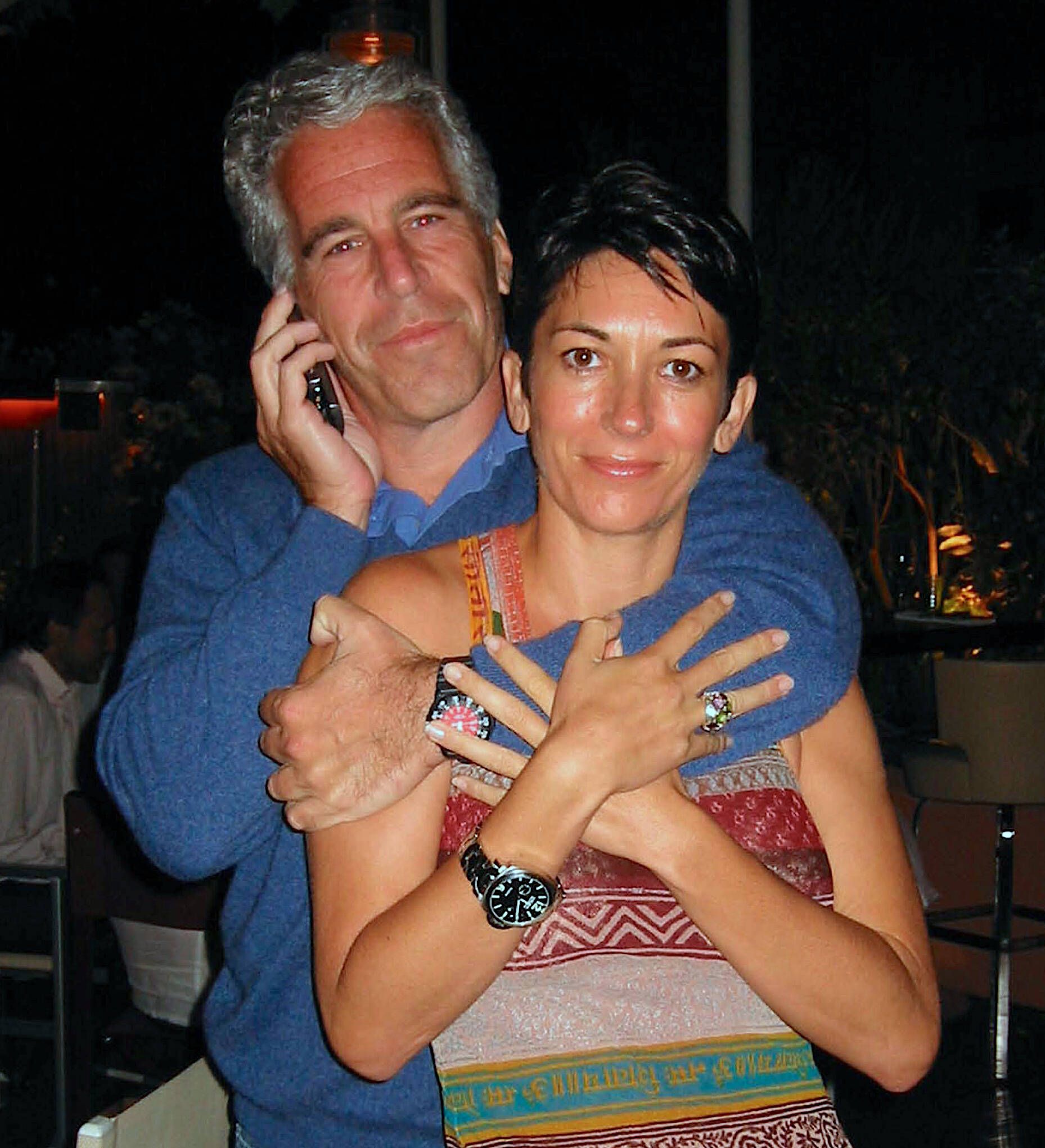
The Trump administration’s long-awaited release of the Epstein files arrived with the fanfare of supposed transparency and the hollow echo of a locked door. Survivors hoped for clarity, accountability, and a public reckoning that might finally name names and expose the machinery that protected a serial abuser for decades. What they received instead was a carefully trimmed dossier that felt less like disclosure and more like damage control. The omissions were not subtle. They were glaring, strategic, and revealing in their absence.
This was never just about paperwork. It was about power. Epstein did not operate in a vacuum; he thrived in rooms full of it. The promise of the files was that the public would finally see how influence insulated him and how proximity to the powerful translated into impunity. When those connections are selectively obscured, the message is unmistakable, the system still knows how to protect itself. Survivors are asked, once again, to accept partial truth as justice.
What makes the release especially cynical is the pretense that it settles anything. The idea that the Epstein stigma will simply dissipate with a curated dump of documents misunderstands how truth works. Stigma fades only when accountability replaces denial. When names are redacted, timelines softened, and photographs conspicuously absent, suspicion hardens rather than dissolves. Silence is not neutral; it is an argument in favor of concealment.
The political calculation is transparent. Epstein’s social orbit overlapped with wealth, celebrity, and office, including figures who later insisted they barely knew him. Yet images, flight logs, and testimonies have long suggested otherwise. To pretend that the remaining sealed material does not disproportionately implicate powerful men, some of them still active in public life, is to insult the intelligence of anyone paying attention. The refusal to fully open the record does not protect reputations; it corrodes them.
For survivors, the harm is doubled. First came the abuse, facilitated by indifference and intimidation. Then came years of legal maneuvering that treated their lives as collateral damage. Now comes the spectacle of disclosure without disclosure, a reminder that even in moments marketed as progress, their needs rank below the comfort of elites. Transparency that stops short of discomfort is not transparency at all.
The defenders of the release argue that law, privacy, and due process require restraint. Those principles matter. But they ring hollow when invoked selectively and late. Due process did not seem to weigh heavily when Epstein received a sweetheart deal that shielded co-conspirators and muzzled victims. Privacy did not trouble institutions that enabled him while smearing accusers. To deploy these values now, only when exposure threatens the powerful, is not principled restraint; it is opportunism.
There is also a deeper cultural failure at work. America loves the theater of revelation more than the labor of accountability. We cheer the opening of files as if the act itself were justice, as if sunlight alone could substitute for consequences. But sunlight filtered through a political lens becomes stage lighting, illuminating what is safe while leaving the rest in shadow. The result is cynicism dressed up as closure.
If the aim was to close the chapter, the release has done the opposite. It has widened the gap between official narratives and lived reality. Every withheld page invites speculation. Every missing image raises questions about who benefits from the silence. And every insistence that this is all there is only confirms that it is not.
The Epstein scandal will not be laundered away by time or paperwork. It lingers because it speaks to a durable truth: abuse is enabled by networks, not monsters alone. Until those networks are named and confronted, the stain remains. The administration may hope that partial disclosure dulls public outrage. Instead, it sharpens it, reminding us that power still expects exemption.
Survivors were not asking for spectacle. They were asking for honesty. They were asking for a reckoning that treats their testimony as more than an inconvenience. Anything less is an illusion of justice and illusions have a way of collapsing under their own weight.
What endures, then, is a choice. Leaders can continue to ration truth, hoping fatigue will replace anger, or they can accept that credibility is rebuilt only by risking embarrassment and consequence. The public, too, must decide whether it will settle for managed transparency or demand the unvarnished record. History suggests that secrets age poorly. When they surface, they indict not only the guilty, but everyone who helped keep them buried. Silence eventually condemns the silent as well.


No comments:
Post a Comment