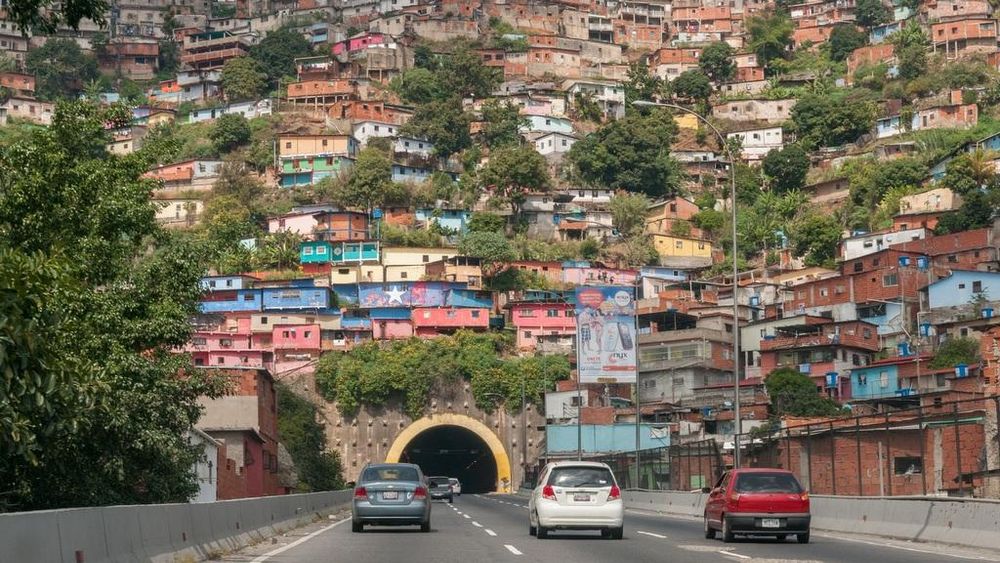
There is a particular arrogance to empire when it insists it no longer exists. The language has changed, the uniforms are gone, and the maps look cleaner, but the instinct remains the same. When the White House reportedly begins quiet conversations with oil companies about Venezuelan crude, it is not diplomacy. It is not humanitarian concern. It is the opening move of modern colonization, dressed in corporate suits and justified with familiar rhetoric about stability, markets and security.
This is not about helping Venezuela recover, nor about easing global energy prices for struggling households. It is about control without responsibility. About extracting value while outsourcing chaos. The old empires sent governors and gunboats. The new one sends consultants, contracts, and compliance requirements. The result is the same: a weakened country turned into a resource corridor, its sovereignty slowly hollowed out while officials in Washington congratulate themselves for being pragmatic.
Once oil is back on the table, the rest of the playbook follows naturally. Camps, politely renamed “processing centers,” for the unwanted migrants whose displacement this same system accelerates. Agreements for short-term labor visas that promise opportunity but deliver precarity. Workers imported when needed, discarded when inconvenient, and always kept just temporary enough to never demand belonging. It is slavery with paperwork, exploitation with a press release.
We are told this is realism. That borders must be managed, markets must function, and voters must be reassured. But realism for whom? Certainly not for the Venezuelan farmer watching foreign firms profit from land he can no longer farm. Not for the migrant housed behind fences because their labor is useful but their presence is not. And not for the American worker told to accept lower wages and fewer protections in the name of competitiveness.
What makes this moment especially corrosive is how normal it has become. Camps no longer shock. Cheap labor schemes are debated like technical adjustments. Entire populations are reduced to “flows” and “pressures,” abstract problems to be optimized. The moral cost is carefully excluded from the spreadsheet. This is how societies slide into cruelty without ever announcing it.
The United States likes to imagine itself as a reluctant superpower, dragged into global messes by circumstance. But there is nothing reluctant about negotiating access to another nation’s resources while that nation remains politically and economically strangled. There is nothing accidental about designing migration systems that benefit corporations while breaking human beings into manageable units of work.
And what of consent? Not the kind manufactured through desperate governments or elite agreements, but the consent of the American public. How much will citizens tolerate being implicated in this system? How long before they question why policies carried out “in their name” consistently favor oil companies, private contractors, and security firms, while delivering insecurity and moral erosion at home?
History suggests there is a limit. Empires rarely collapse because of foreign resistance alone. They rot internally, from cynicism, exhaustion, and the quiet realization that the story no longer matches reality. When people sense that ideals have become branding exercises, trust evaporates. Participation turns to resentment. Silence turns to anger.
This is not an argument for isolation or naïveté. It is an argument for honesty. If the United States is choosing a path of resource extraction, labor exploitation, and managed disposability, it should at least stop pretending this is about freedom or democracy. Call it what it is. Admit the tradeoffs. Allow citizens to decide whether this is truly the country they want to be.
The danger is not only what is done abroad, but what is learned at home. When a nation grows comfortable treating others as expendable, it eventually applies the same logic inward. Surveillance justified at borders migrates into cities. Emergency powers become routine. The line between citizen and subject blurs. People are told to be grateful they are not on the other side of the fence, and fear replaces solidarity as the organizing principle of politics.
If there is a next move, it will not be announced loudly. It will arrive as another policy tweak, another pilot program, another necessary compromise. That is how modern empires move: incrementally, until resistance feels futile. The question is whether Americans will notice before the cost is irreversible, or whether they will wake up one day to discover that exploitation abroad has rewritten the social contract at home.


No comments:
Post a Comment