
There’s a peculiar and disturbing dissonance in American governance right now that’s impossible to ignore; a president willing to brandish military threats at a distant government for cracking down on demonstrators, while his own administration’s agents shoot and kill people on U.S. soil for daring to protest his immigration policies. For anyone committed to democratic norms or even basic moral symmetry, the contradiction is striking, grotesque even.
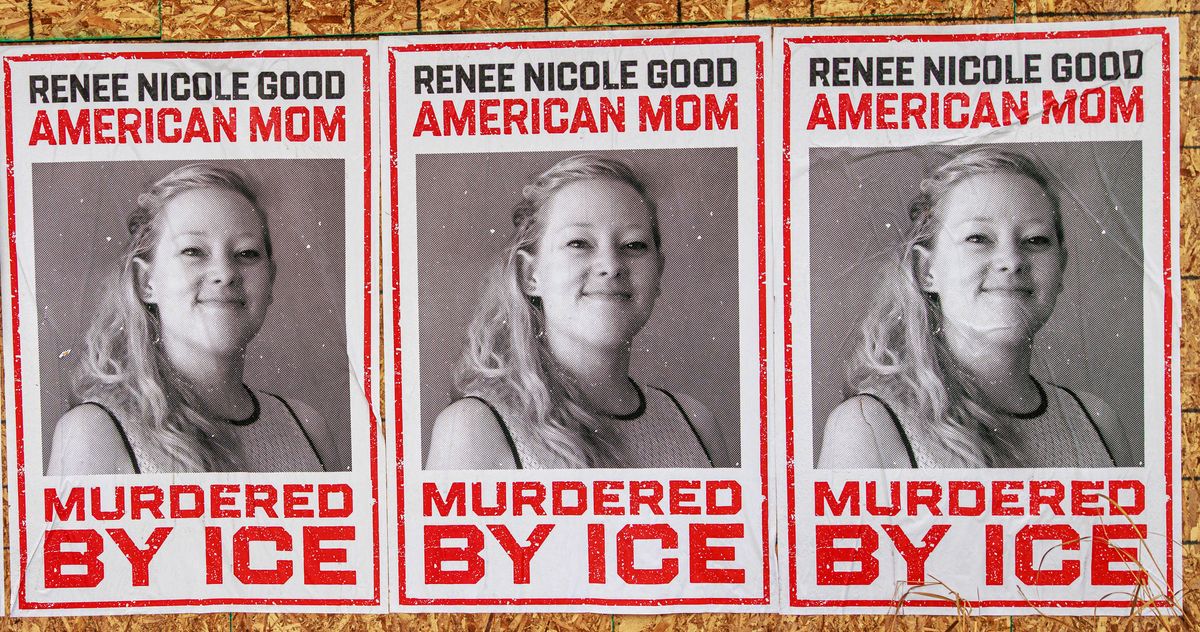
Last week in Minneapolis, tens of thousands of Americans took to the streets to express outrage after Immigration and Customs Enforcement (ICE) agents shot and killed a U.S. citizen during a federal immigration operation. Renée Nicole Good, a 37-year-old mother, mother of three, poet, volunteer legal observer, community member, was in her car on a residential street when an ICE officer opened fire and killed her. Local authorities and bystander video suggest she posed no clear threat and was attempting to drive away when the fatal shots rang out. Yet the federal narrative was immediate and chilling: she was quickly labeled a “domestic terrorist,” even as video evidence told a far murkier, far more tragic story.
This isn’t an isolated incident. Split-second decisions by federal agents with sweeping immunities have already resulted in multiple deaths during aggressive enforcement actions, and they sit against a backdrop of escalating protests nationwide. Cities from Minneapolis to Portland and New York have erupted in chants, whistles and signs decrying federal overreach and demanding accountability. Now consider what’s happened on the world stage: as Iranians have poured into their own streets, galvanized by economic collapse and longstanding repression, calling for freedom and basic dignity, the American president has declared that Tehran must not shoot its citizens. He has warned the Iranian leadership of severe consequences should they continue to violently suppress demonstrators. “We’ll be hitting them very hard where it hurts… You better not start shooting because we’ll start shooting, too,” he reportedly said, a remark tantamount to threatening war if a foreign government murders its own protestors.
The optics here are jarring. To the outside world, the U.S. posture could easily be read as principled: defending human rights abroad and threatening retaliation if protestors are killed. But to American citizens watching federal agents mow down demonstrators or blame them for their own deaths, the message feels painfully hypocritical. How can Washington lecture Tehran about restraint and the sanctity of protest when right here in the United States, citizens peacefully and legally exercise their democratic rights only to be met with lethal force?
Human rights advocates have long insisted that true moral authority cannot be exported selectively. It cannot be valid to condemn violence elsewhere when you tolerate or, worse, authorize it at home. And that’s where the current moment reveals its deepest contradiction: a nation that grandstands about protecting protestors abroad while its own police powers execute demonstrators without accountability.
We’re not just talking about bluster here. In Minneapolis, the death of Good has prompted fierce denunciations from local leaders who have openly rejected the federal narrative. Minneapolis’s mayor called the Department of Homeland Security’s characterization “bullshit,” and urged federal agents to leave the city. Minnesota’s governor echoed that sentiment, decrying what he described as governance “designed to generate fear, headlines and conflict.” A federal investigation has been taken out of local hands, fueling suspicions of a cover-up.
Across the country, the protests reverberate with a shared conviction, people are not willing to be dismissed, demonized, or shot and then buried in an official narrative that exonerates the shooters before the facts are known. And they are absolutely right to be alarmed. When state agents are given license to use deadly force against civilians protesting federal policies, the boundary between law enforcement and militarized authority blurs in ways that should unsettle any democracy. The right to protest is not a fringe concession, it’s a cornerstone of civil society.
What’s more, the double standard doesn’t just undermine America’s credibility on the world stage it corrupts the moral fabric of its own civic life. Foreign autocrats can now point to the Minneapolis killing as evidence that even the United States resorts to violence against unarmed demonstrators. They can use it to justify their own brutalities. The result is a global banquet of hypocrisy served cold.
There’s a broader lesson here that transcends any single circumstance: condemning violence abroad while tolerating it at home erodes the very foundation of democratic legitimacy. If a government cannot credibly defend the rights of its own citizens to speak and assemble without fear of lethal repercussion, its threats against other nations ring hollow.
So yes, condemning violent crackdowns in Iran is laudable. But it should never be done in isolation from the struggles on Main Street Minneapolis or Portland or wherever Americans demand justice. Moral consistency isn’t a luxury, it’s the only firm ground on which a democracy can stand. If the U.S. is truly serious about defending protestors everywhere, it must first ensure that American citizens can demonstrate against their own government without being shot in the face by federal agents. Otherwise, we’re just trading in the politics of irony and the cost in human lives will only keep rising.


No comments:
Post a Comment