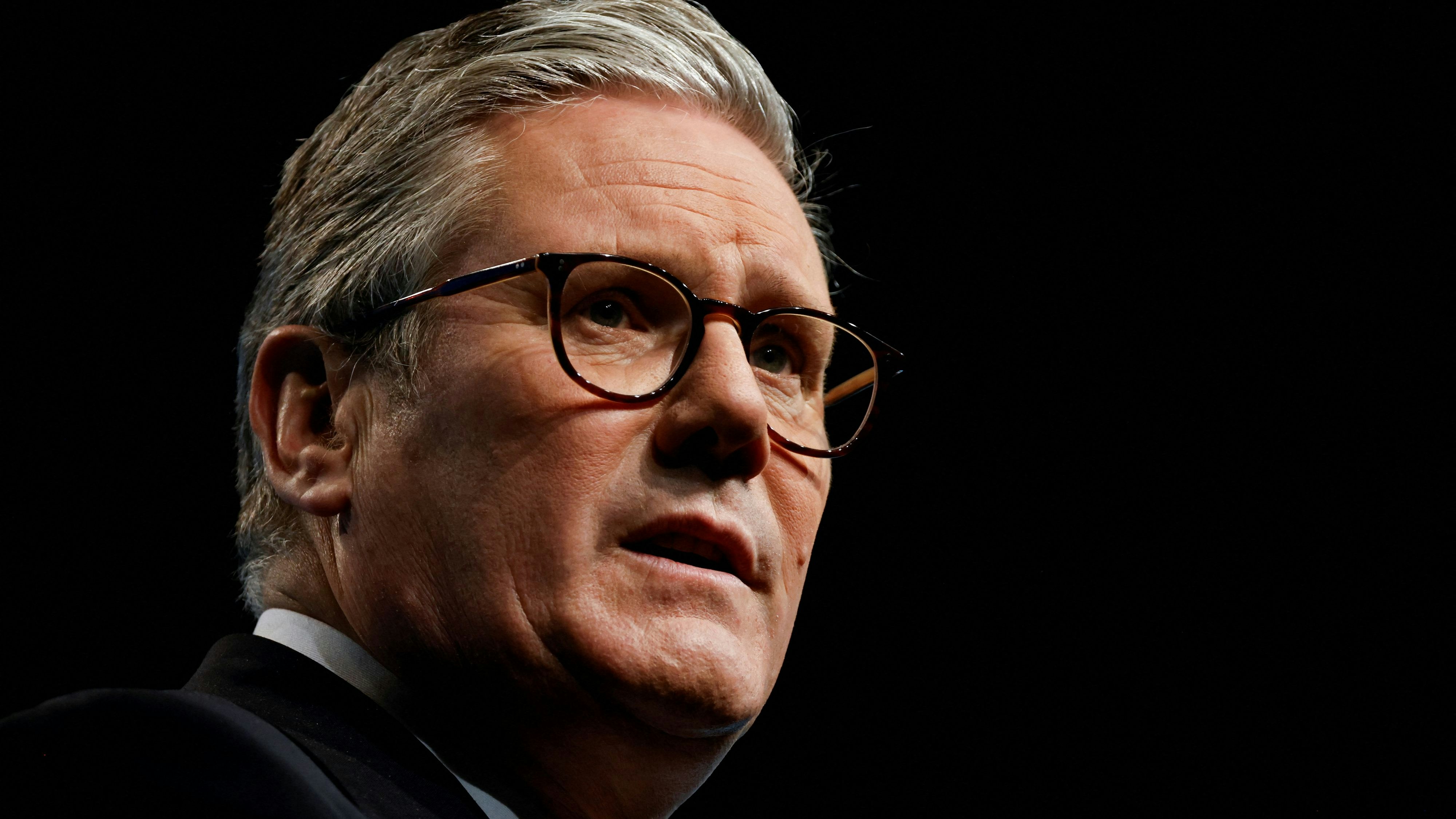
Keir Starmer’s reported apology to victims of Jeffrey Epstein coupled with his admission that he “believed the lies” of Peter Mandelson, reads less like moral reckoning and more like political damage control. It is the sound of a man trying to close a door quietly while hoping nobody notices what remains rattling in the corridor behind him. The apology may soothe headlines for a day but it raises a far more uncomfortable question about power, proximity and selective outrage.
Starmer’s defenders will say this is what leadership looks like: acknowledging error, expressing regret, moving on. Yet apologies matter only insofar as they are followed by clarity. What exactly was believed, why was it believed and why did it take so long for disbelief to become fashionable? When politics treats contrition as a press release rather than a reckoning, it risks turning victims into props and truth into a footnote.
The Epstein scandal has always been less about one monstrous individual and more about the ecosystem that enabled him. Epstein did not operate in a vacuum. He thrived in rooms full of powerful people who enjoyed his money, his access, and his ability to make introductions disappear into privilege. The files, lists and rumours have become a grim cultural shorthand, but the deeper issue is how eagerly institutions look away until looking becomes unavoidable.
Mandelson’s reappearance in this story is emblematic of Britain’s revolving door of influence. He is not accused of Epstein’s crimes, and that distinction matters. But politics is not a courtroom; it is an ethical arena. Appointments are not verdicts of guilt or innocence, they are statements of judgment. When leaders elevate figures shadowed by serious controversy, they are making a choice about whose discomfort counts.
Starmer’s apology suggests he now understands that choice differently. The trouble is that understanding arrives suspiciously late. Epstein has been dead for years. The testimonies of victims have been public, harrowing and consistent. The reputational fog surrounding Epstein’s circle did not suddenly roll in overnight. It was there, thick and visible and many chose to drive straight through it.
This is where the question of Epstein as “up to no one” becomes revealing. If his name appears everywhere and nowhere at once, if his crimes are acknowledged but his enablers remain conveniently unnamed, then accountability dissolves into abstraction. Epstein becomes a singular villain, an aberration, rather than a mirror held up to elite culture. That framing is comforting, because it allows everyone else to step back, hands clean, consciences intact.
Starmer’s critics argue that by appointing Mandelson, he signalled continuity with a political class that always forgives itself. His supporters counter that governing requires pragmatism, not puritanism. Both arguments miss the emotional truth at the heart of this issue. For victims, pragmatism sounds like indifference. It sounds like being told, once again, that reputations matter more than pain.
An apology that does not confront this imbalance risks becoming hollow. Saying “I believed his lies” subtly shifts responsibility away from power and onto persuasion. It implies a clever deceiver and an unfortunate dupe. Yet power is not so easily fooled. It chooses what to hear. It chooses when to ask questions. And it chooses, very often, when not to.
The real test for Starmer is not whether he can apologise, but whether he can change the culture that made such an apology necessary. That means setting clearer ethical lines, even when they are inconvenient. It means recognising that public trust is not rebuilt by technical innocence, but by moral seriousness. And it means accepting that some associations cost more than they benefit.
Epstein’s legacy should not be a perpetual guessing game about names and files. It should be a warning about what happens when influence outruns accountability. If Starmer truly wants to draw a line under this chapter, he must do more than express regret. He must show that in his Britain, proximity to power no longer grants immunity from scrutiny, and that apologies are the beginning of responsibility, not the end of it.
Otherwise, this moment will fade like so many before it, another carefully managed storm passing over Westminster. The public has seen this pattern too often: outrage, apology, reassurance, repetition. Breaking it requires courage that risks allies and angers insiders. Anything less confirms the suspicion that the system protects itself first, and listens to victims only when silence becomes politically impossible. That is the choice now facing Starmer and the judgment voters will ultimately deliver on it.


No comments:
Post a Comment