
The holiday commemorates a moment that exposed a painful truth about American history, freedom delayed is freedom denied. More than two years after the Emancipation Proclamation, enslaved Black Americans in Texas finally learned they were free. Juneteenth is therefore not merely a celebration. It is a reminder of how institutions can resist justice long after the law appears settled.
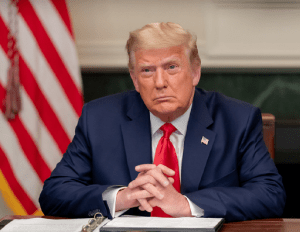
That is why the political debates surrounding Juneteenth under Donald Trump and his administration deserve closer scrutiny. The issue is not whether officials openly oppose the holiday. Few do. Instead, the controversy lies in a pattern of explanations, qualifications, and restrictions that often seem designed to acknowledge Juneteenth while diminishing its broader meaning.
Supporters of the administration argue that concerns are exaggerated. They point out that Juneteenth became a federal holiday during Trump's first term and note that many government offices and agencies continue to recognize it. On paper, those facts matter. Yet symbolism in politics is rarely confined to official proclamations. Tone matters. Priorities matter. The language leaders use matters.
Over the years, discussions surrounding race, diversity programs, historical education, and public commemorations have increasingly become political battlegrounds. Within that environment, Juneteenth has sometimes been treated less as a national reflection and more as a cultural dispute. What should be a shared acknowledgment of a defining chapter in American history is instead filtered through partisan anxieties.
The result is a peculiar form of reluctance. Rather than directly challenging the holiday, critics often present a series of justifications. They argue that diversity initiatives connected to Juneteenth are unnecessary. They suggest that commemorations are divisive. They insist that discussions about systemic racism focus too heavily on the nation's flaws. Each argument arrives wrapped in the language of practicality, efficiency, or neutrality.
Yet neutrality can become a political choice of its own. When a government eagerly celebrates certain chapters of history while treating others with visible hesitation, citizens notice the difference. Americans are constantly told that patriotism means honoring the nation's achievements. That is true. But mature patriotism also requires confronting the moments when the country failed to live up to its ideals.
Juneteenth represents one of those moments. The holiday does not accuse modern Americans of historical crimes. It asks them to remember that liberty was unevenly distributed and fiercely resisted. That should not be a controversial observation. It is historical fact. Attempts to soften, narrow, or sidestep that reality risk transforming remembrance into ritual—a ceremony stripped of its purpose.
What makes the current debate particularly frustrating is that Juneteenth offers an opportunity for unity rather than division. Freedom is not a partisan value. It is an American value. The end of slavery should be one of the easiest events in national history to commemorate without hesitation or excuse.
Instead, the recurring disputes reveal a deeper discomfort about how the nation tells its story. Some leaders appear willing to celebrate freedom in the abstract while growing uneasy when asked to examine the struggle required to achieve it.
Juneteenth deserves better than that. A holiday born from delayed freedom should not be met with delayed enthusiasm. The lesson of Juneteenth is that justice arrives late when people spend too much time explaining why it must wait. America has heard those explanations before.


No comments:
Post a Comment